Tutorial
CGI, AI video or live action: choosing a production approach
A decision framework for choosing CGI, AI-assisted video, live action or a hybrid approach around the parts of a film that need control.
Choose the production approach by the decisions a shot must let you control. CGI, AI-assisted video and live action each create a different path from source material to an approved film. A useful choice starts with the shot’s evidence requirements, not with the newest tool.
Start with the thing the viewer must believe
Ask what would make the film misleading or unconvincing if it changed. For a mechanism demonstration, the relationship between parts may be essential. For a testimonial, the person and their performance matter. For a mood-led launch teaser, an expressive environment may have more freedom. Those requirements can lead to different production methods within the same film.
Make a two-column note: essential evidence and creative interpretation. Put exact dimensions, approved pack copy and genuine demonstrations in the first column. Put atmosphere, metaphor and abstract transitions in the second. This prevents a visually attractive reference from quietly becoming an inaccurate product specification.
Choose control where it earns its place
CGI is a useful candidate when you need deliberate control over an object's shape, materials, camera and movement. It still needs trustworthy assets and review. A detailed model can faithfully render an outdated product, so control does not remove the need to verify the source.
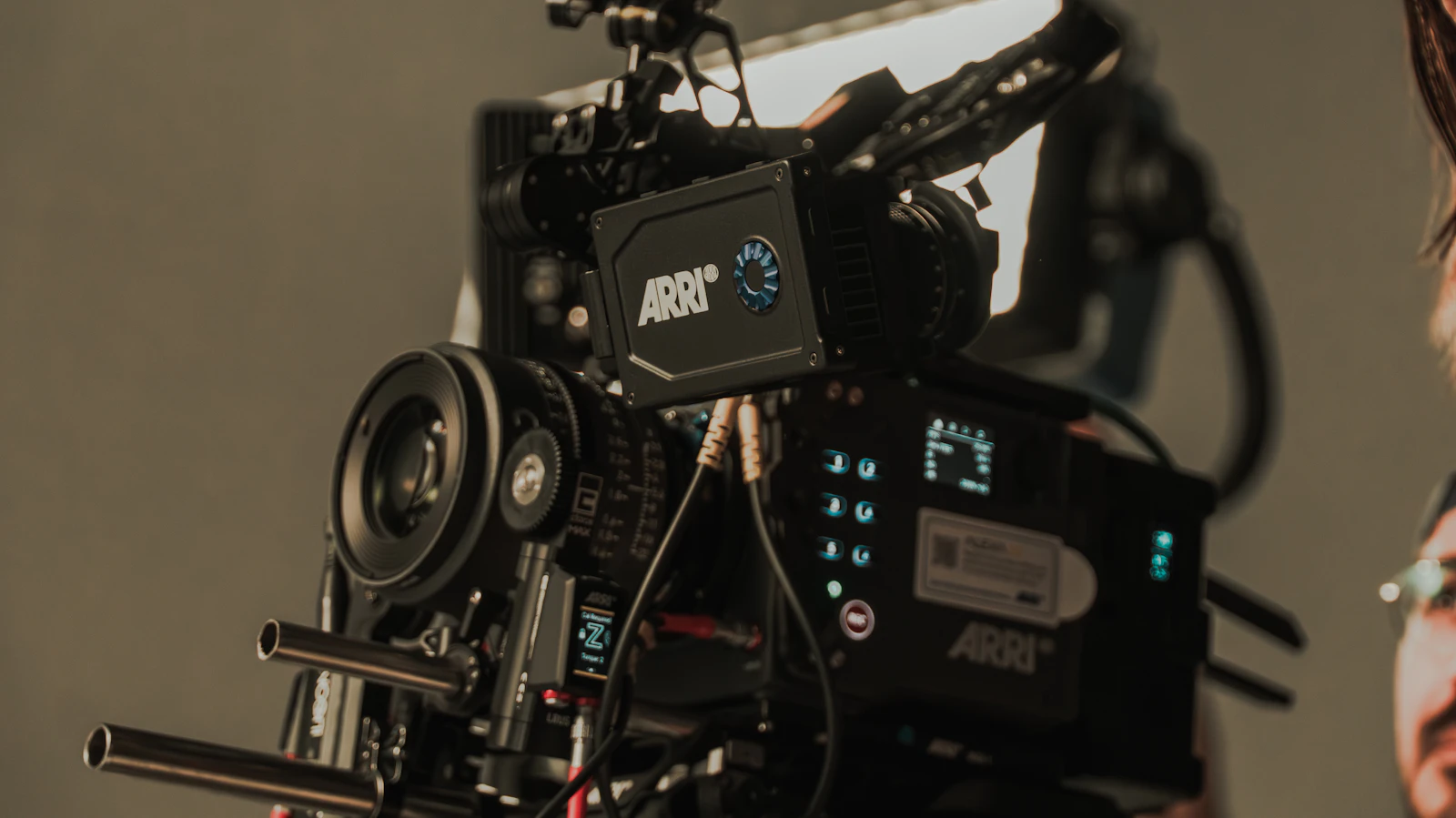
Live action deserves consideration when real behaviour, a recognisable person, physical texture or an actual location carries the message. Ask what can be filmed reliably, whether the product exists in its final form, and what changes would require another shoot. Do not equate a camera shoot with a completely finished image: editing, cleanup and graphics may remain.
AI-assisted generation can be explored for visual development or shots where variation is acceptable. Decide beforehand which details can drift and which cannot. A promising generated frame is evidence of a direction, not proof that the entire sequence will meet a precise brief.
Use this decision sequence
- Must the shot document a real person, event or physical test? Begin by assessing a live-action capture.
- Must a product remain precisely recognisable through a controlled move or disassembly? Assess a verified CGI asset or filmed product plate.
- Is the main challenge an expressive setting or transition with flexible detail? Consider an AI-assisted exploration, with clear rejection criteria.
- Do different parts have different requirements? Separate them into a hybrid shot and identify the compositing work between them.
This is a planning aid, not a universal ranking of methods. If none of the candidates meets the essential evidence column, simplify the shot before committing to production.
Work through a small example
Imagine a refillable dispenser shown on an otherworldly shoreline. The bottle silhouette, pump action and printed label are fixed. The sky and distant terrain are expressive. A controlled product render composited into a separately developed environment is one candidate. A filmed bottle on a designed set is another. Generating the whole image might be appropriate for an early concept, but approval of a concept should not automatically approve its product detail.
Compare the candidates with one representative shot. Include the difficult reflection or hand interaction in that test. A method that looks persuasive in a static wide shot may behave differently in a close-up.
Compare the revision path before choosing
Ask how each approach would handle a changed label, a longer shot, a new language or a vertical version. Separate changes that can be made downstream from changes that invalidate earlier work. Record the assets, approvals and people required for each route.
For a useful external illustration, Blender Studio's poster breakdown shows controlled elements assembled into a final composition. It is not a comparison of AI and live action, and it is not a DELA project. Use it to see why separating elements can create options; choose your own method against the film's actual requirements.
Sources and visual references
- Designing the Charge Poster — Blender Studio / Hjalti Hjalmarsson and Andy Goralczyk
An illustrated example of separately prepared elements and final assembly; illustrates only the CGI/compositing part of this comparison.
- Gen-4 Video Prompting Guide — Runway
The documented Gen-4 input-and-motion approach; model-specific guidance rather than evidence of guaranteed product accuracy.
Related reading
Cover image
- Cover illustration: Cemrecan Yurtman / Unsplash.
Editorial illustration of the article topic.
- Image licence — Unsplash
Free use, including commercial use, under the Unsplash License.