Tutorial
How generative AI works: a guide for creative teams
Training, inference and neural networks explained through a practical creative brief, without treating a convincing output as a verified result.
Generative AI makes more sense when you separate the system that learned patterns from the application you use to request a result. A chat box, an image editor and a video tool may look similar while offering very different controls. Understanding the distinction helps a producer ask better questions before a project begins.
This is an introduction for creative teams, rather than a description of every AI system. The useful question is what the system can reliably contribute to a particular production.
AI, machine learning and generative AI
Artificial intelligence is a broad field. Machine learning is one approach within it: software is trained using data rather than having every useful behaviour written as an explicit rule. Generative models learn patterns that can be used to produce content such as text, images or audio. Google’s introductory machine-learning course provides examples of these different tasks.
A tool that identifies an object and a tool that invents a scene are therefore doing different jobs. A product image generator may create a persuasive bottle without checking whether that bottle matches the dimensions on your approved drawing. The brief needs to distinguish visual exploration from factual representation.
What a neural network actually contains
A neural network combines numerical inputs through layers of calculations. Weights and biases are adjustable values; nonlinear operations allow the network to represent relationships that a simple straight-line formula cannot. Google’s neural-network lesson shows this with small interactive examples.
The biological name can be misleading in a production meeting. It does not mean that a model has a designer’s intentions, a client relationship or a physical understanding that you can assume is correct. Treat those as separate requirements to evaluate, rather than qualities guaranteed by the term intelligence.
Training and using the model are different stages
During training, a system adjusts parameters to improve performance against a learning objective. During inference, it uses learned parameters to process a new input. Writing a more detailed brief generally changes the input for that run; it is not the same operation as retraining the model.
Imagine a fictitious launch for a refillable desk lamp. You can ask for a calm studio setting, a low camera angle and warm evening light. Those instructions may help explore a mood. They do not establish the correct connector, hinge or brightness specification. Supply approved references and review those details separately.
Turn the explanation into a usable brief
Write down three things before opening the tool: what must remain exact, what can vary, and how someone will approve the result. For the lamp, the silhouette and mechanism might be fixed, while the backdrop and light direction remain open. This gives the team a meaningful way to compare outputs.
Also identify the intended next step. A concept board can tolerate unfinished edges that would be unacceptable in a product close-up. An internal visualisation needs a different approval conversation from an advertisement containing a functional claim.
A small exercise for the next project
Choose one shot and list its non-negotiable details. Ask the tool for two clearly different visual treatments, keeping those details unchanged in the brief. Compare the results against the list before discussing which looks more attractive. Record what required correction and which controls were actually available.
That exercise connects the technical vocabulary to a production decision. Generative AI becomes a tool with observable strengths and limits, and the team retains responsibility for the image it chooses to release.
Sources and further reading
- What is Machine Learning? — Google
Definitions and examples of machine learning and generative tasks.
- Neural networks: nodes and hidden layers — Google
Illustrated explanation of layers, parameters and nonlinear operations.
Related reading
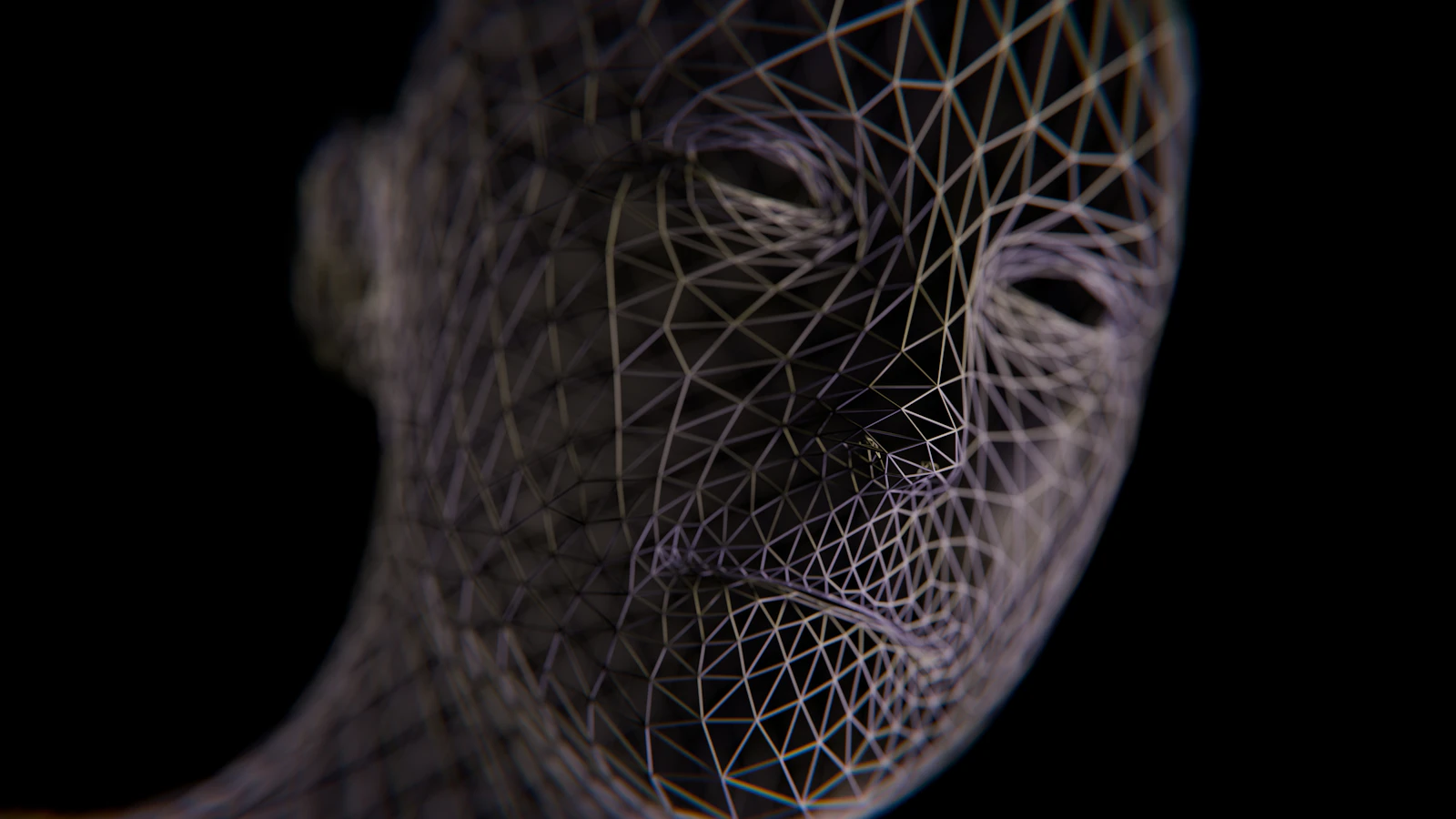
Cover image
- Cover illustration: A Chosen Soul / Unsplash.
Editorial illustration. Unsplash License; not a DELA production still.